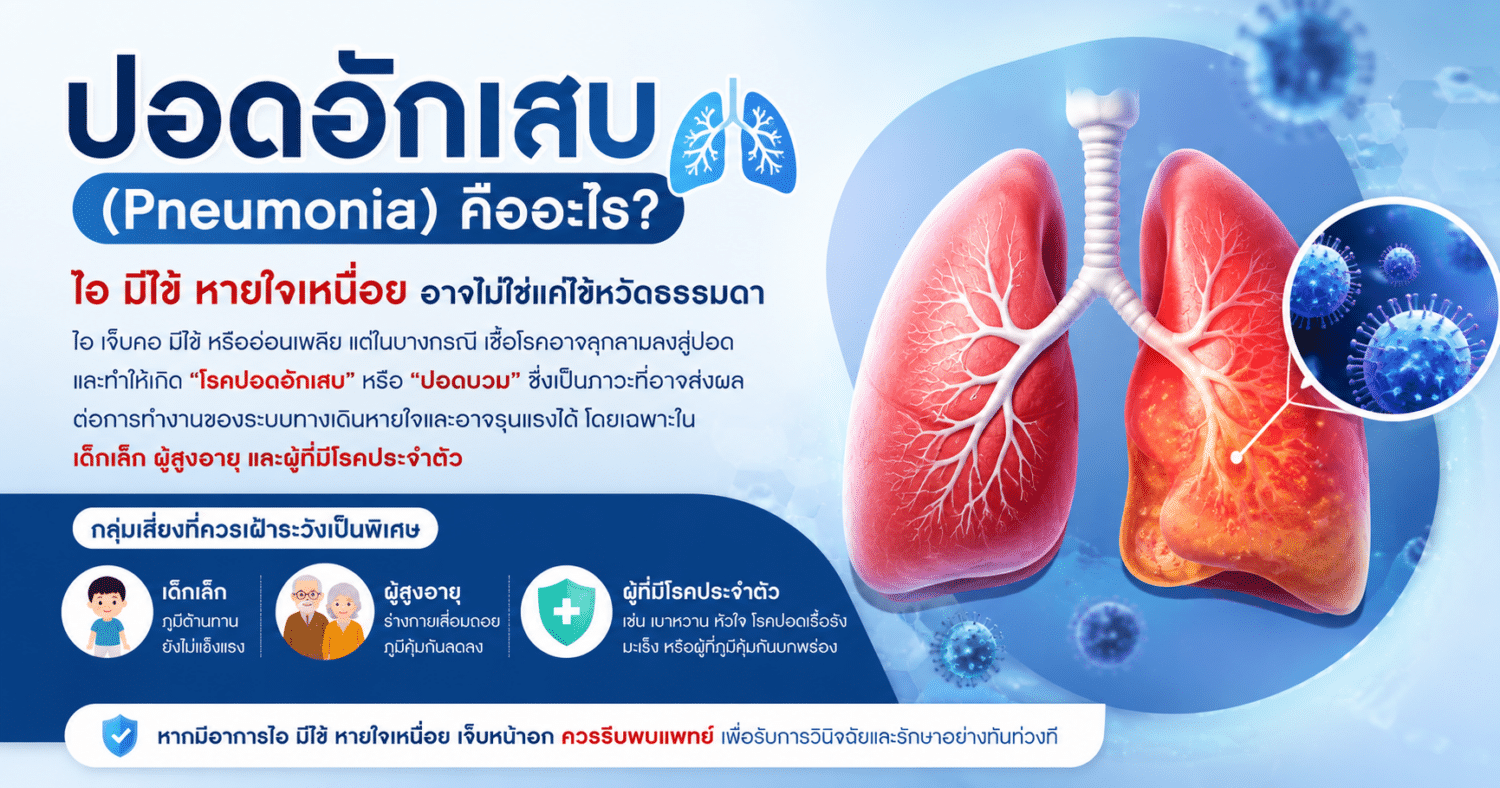
Many people start with cold-like symptoms such as coughing, sore throat, fever or fatigue. In some cases, however, the infection can spread to the lungs and cause pneumonia, which affects the respiratory system and can become serious — especially in young children, the elderly and those with underlying conditions.
While many patients recover well with proper care, ignoring symptoms or seeing a doctor too late can raise the risk of complications.
What Is Pneumonia?
Pneumonia is an inflammation of the lung tissue and the air sacs (alveoli), causing a build-up of secretions, pus or fluid inside the alveoli and reducing oxygen exchange.
When the body does not get enough oxygen, patients may feel breathless, have difficulty breathing or feel unusually fatigued. Severity ranges from mild to requiring hospital care, depending on the cause, age, underlying conditions and baseline health
Causes of Pneumonia
1. Infection (most common)
Bacteria such as:
- Streptococcus pneumoniae (Pneumococcus)
- Haemophilus influenzae
- Mycoplasma pneumoniae
Respiratory viruses such as:
- Influenza virus
- Respiratory Syncytial Virus (RSV)
- SARS-CoV-2
- Some coronaviruses
- Adenovirus and other respiratory viruses
Fungi and other organisms may also cause pneumonia, particularly in people with weakened immunity or specific risk factors.
2. Aspiration of foreign material into the lungs
- Food
- Water
- Vomit
3. Immune-related conditions
- Patients with SLE
- People living with HIV
- Those taking immunosuppressive drugs
- Some cancer patients
- Long-term steroid users
Who Is at Higher Risk of Pneumonia?
- Young children
- The elderly
- People with chronic lung disease
- People with heart disease
- People with diabetes
- Smokers
- Regular alcohol drinkers
- People with weakened immunity
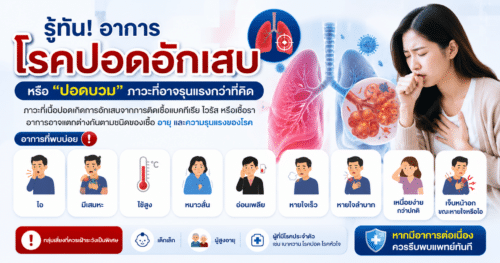
Symptoms of Pneumonia
- Cough
- Phlegm
- High fever
- Chills
- Fatigue
- Rapid breathing
- Difficulty breathing
- Tiring more easily than usual
- Chest pain when breathing or coughing
In older adults, some may not have a clear fever but may appear drowsy, confused, weak or eat less than usual.
How Pneumonia Is Treated
Treatment depends on the cause, severity, age and underlying conditions. A doctor may consider:
- Symptomatic treatment
- Antibiotics when medically indicated
- Antivirals in some cases
- Oxygen therapy
- IV fluids
- Hospital monitoring
Some patients can be treated as outpatients; others may need hospital admission, at the doctor’s discretion.
How to Lower Your Risk of Pneumonia
- Wash hands regularly
- Eat a healthy diet
- Exercise regularly
- Get enough rest
- Do not smoke
- Avoid smoke, dust and pollution
- Keep underlying conditions well controlled
- Avoid close contact with people who have respiratory infections
For some at-risk groups, a doctor may recommend related vaccines, such as:
- Influenza Vaccine
- Pneumococcal Vaccine
Frequently Asked Questions (FAQ)
Is pneumonia contagious?
It depends on the cause. If pneumonia is caused by certain viruses or bacteria, it can spread to others through respiratory droplets from coughing or sneezing.
How is pneumonia different from bronchitis?
Bronchitis is inflammation of the bronchial tubes, while pneumonia is inflammation of the lung tissue and air sacs, which can affect oxygen exchange more significantly.
Can pneumonia develop after a cold or the flu?
Yes, pneumonia can develop after a cold or the flu in some people — particularly the elderly, young children, those with weakened immunity or underlying conditions.
Get Immediate Care at Dr.Pad Clinic
If you or someone you know develops symptoms of pneumonia while in Koh Lanta, don’t delay — see a doctor promptly. Dr.Pad Clinic provides medical assessment and treatment for respiratory infections and other urgent medical conditions.
We communicate in English, Thai, and Chinese, and we can assist with travel insurance claims.
📲 WhatsApp: +66 95 515 9555 | 🌐 www.drpadclinic.com